4 minute read
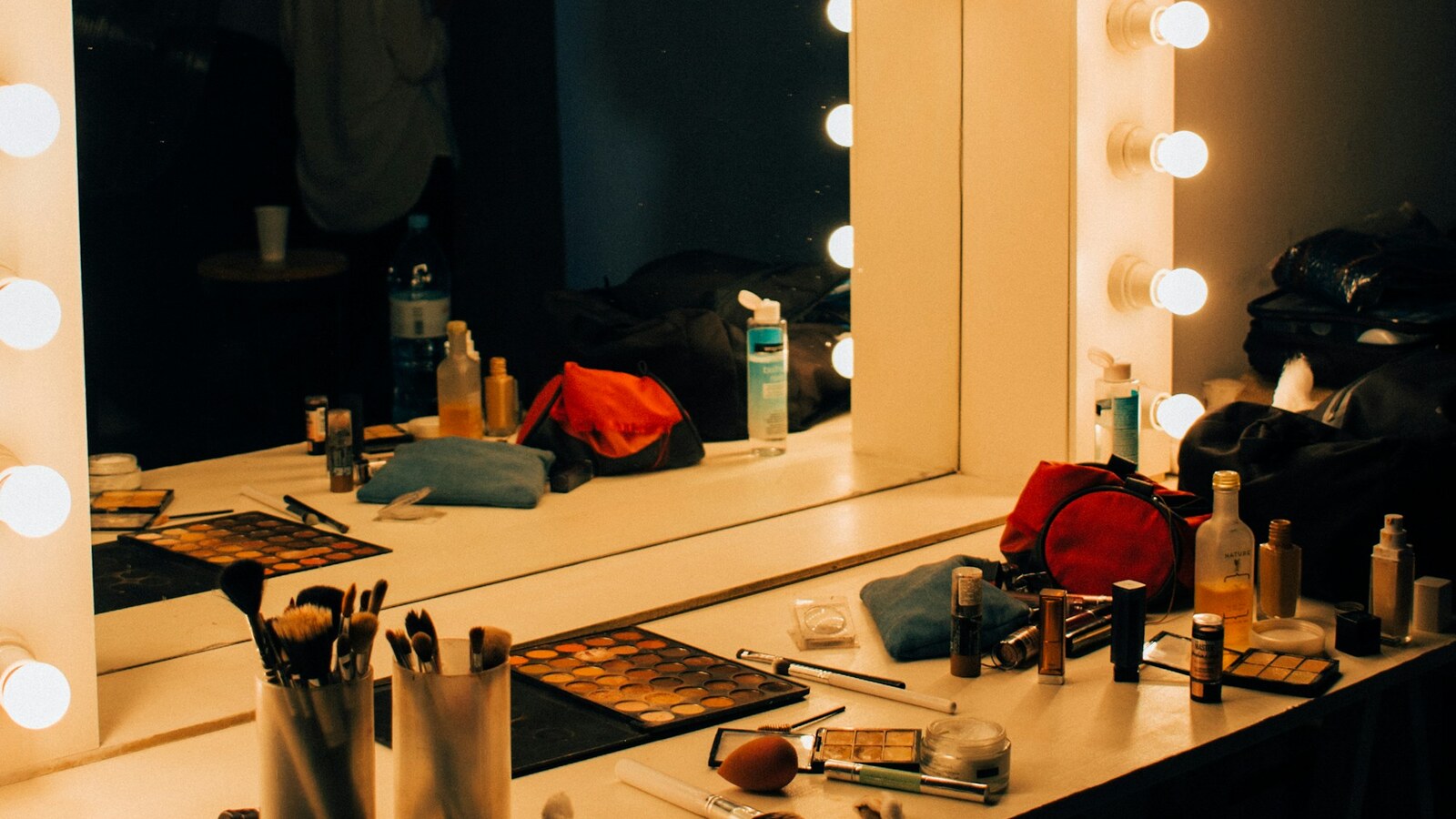
A shade can look promising at the counter and less convincing in your bathroom. Too orange, a little ashy, oddly disconnected from your neck: none is a look you need to buy out of politeness. But a different appearance is not proof that a retailer has tricked you, or that the foundation has oxidised. Start by checking the same swatch under the same light before deciding what has changed.
Viewing light can affect colour appearance. The CIE’s account of colour appearance includes both illumination and the viewing environment. That makes a second look useful; it does not make every counter a conspiracy. Daylight is not one fixed light either, so a window is a useful checkpoint, not a courtroom witness.
A realistic field guide to buying a foundation that behaves in real light
1) Test where it matters
Try a small, blended strip on the lower cheek towards the jaw so you can compare it with the surrounding face and neck. A hand or wrist swatch alone does not show that transition. Charlotte Tilbury’s shade-matching guidance also cautions against relying on the arm or hand instead of the face. Treat this as a starting point, not a promise that one patch settles everything.
2) Give the same swatch a second light
After a suggested match, look at that same swatch by a window or outdoors if practical, then under an indoor light you normally use. Daylight varies; neither the pavement nor the bathroom has exclusive custody of the truth. Keep the swatch in place as you move, rather than comparing a fresh application outside with an older one indoors.
3) Ask about a sample — and observe the wear
If a take-home sample is available, use it with your usual preparation and follow the product’s instructions. Check the shade and finish after application and again later under the same light. Note what you see without diagnosing the chemistry from the mirror. A darker-looking result alone does not establish oxidation or its cause. If no sample is available, that does not by itself tell you whether the advice is sound.
4) Check the lights that matter to you
Compare the same swatch under the lights where you expect to wear it: your work space, home or an evening setting. Do both candidate shades look convincing in those conditions? A match has to earn its place in your day, not merely enjoy a successful five minutes at a counter.
5) Between two shades, compare rather than guess
Apply comparable amounts of both shades beside one another, with the same preparation and time to settle. Compare both in the same lighting conditions, then repeat under your relevant everyday lights. Do not automatically choose the lighter one. If neither looks right, ask to try another shade or formula, or wait. The till will survive your indecision.
6) Ask specific, useful questions
Ask which undertone options are available, what finish and coverage the formula is intended to give, and how the brand recommends applying it. Ask to see the suggested shades on your skin where practical. A cheerful “perfect” is pleasant; a comparison gives you something more useful to judge.
7) Use your camera as a reference
A photograph can help you remember a comparison, but camera settings and processing can affect colour. Canon’s portrait guidance explains how white balance and picture styles affect rendered skin tones. Use your direct view of the swatch in relevant lights as part of the decision, rather than treating a selfie as a calibrated shade test.
8) Revisit a bad match without a kitchen experiment
Before trying to rescue a bottle, check the shade again under comparable conditions and ask the retailer what exchange or return options apply. Adding serum or primer is not a universal shade correction. Follow the formula’s instructions; you do not owe an unsuitable foundation a second career.
This is bigger than vanity
A useful foundation check gives you time to compare, ask questions and decline. Different lights can produce different impressions; that observation does not establish a retailer’s intent. The practical answer is a fair comparison, not a darker theory about the sales assistant.
Final thought
Compare both shades together, revisit the same swatches in the lights you live with, and ask about a sample if one is available. If neither works, leave both behind. Your face is not an obligation to complete a sale.