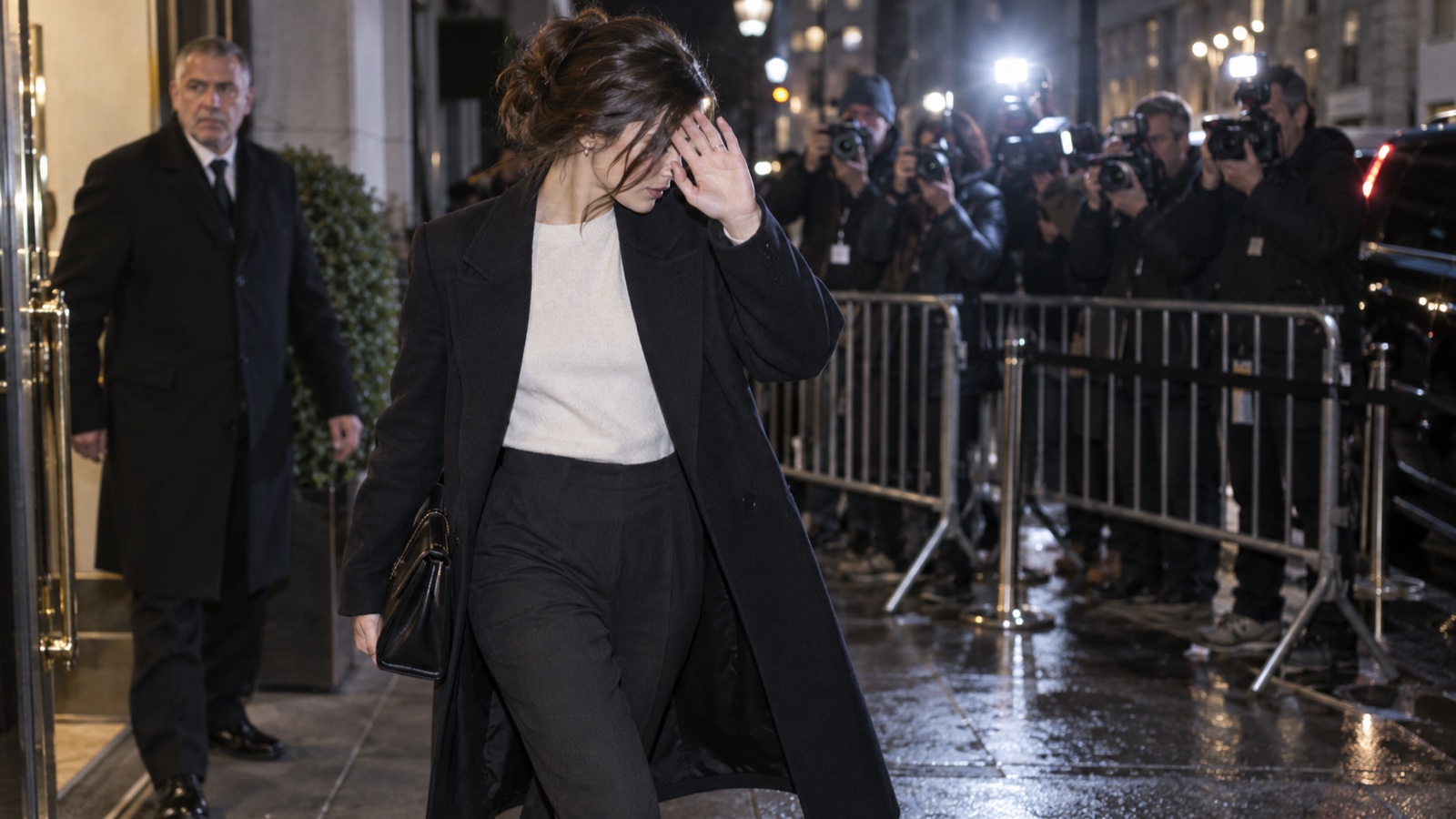
“Has she had work done?” can sound like a request for information. It can also arrive carrying a verdict: she should look younger, but not as though she tried; different, but not too different. Before answering, it is worth asking what the question is doing.
A photograph gives us an appearance, not a medical record. It does not entitle us to supply the missing history. Nor does knowing someone has considered a cosmetic procedure tell us whether she is warm, capable or worthy of respect.
What the study actually examined
A 2021 PLOS ONE experiment by Bonell, Murphy and Griffiths reports a sample of 985 US adults recruited through Mechanical Turk and separately describes 16 exclusions. Each participant rated four photographs of White women, paired with descriptions of planned activities.
Women described as planning plastic surgery received lower ratings for warmth, competence and morality. The effects were small, and the humanness results differed by subscale. The description did not name a procedure or distinguish cosmetic from reconstructive surgery.
An exploratory analysis suggested that attractiveness moderated these patterns. No statistically significant penalty was detected for faces in the lower-attractiveness group; that does not establish that their ratings were unaffected.
These were judgements about stated intentions, not before-and-after surgical outcomes. This limited experiment cannot tell us how everyone responds, establish what happened to a celebrity or decide whether a procedure is right for an individual.
Curiosity does not require a verdict
The useful editorial question is about the judgement we add, not a diagnosis we can extract from a picture. Calling a face “natural” or “done” is no substitute for considering the person in front of us.
We can discuss beauty culture, advertising and the pressure to remain recognisable while ageing without treating a woman’s face as public property. The sharper conversation begins when we stop pretending that speculation is a form of expertise.
Sources & how we reported this
Desk-based commentary using the 2021 study linked above; no interviews, diagnosis or personal procedure claims. The research summary concerns perceptions in that experiment, not universal attitudes or clinical outcomes. The image is an existing AI-created scene with fictional people from the approved film project, not a real press arrival or a participant photograph. The companion film is public on The Beauty Question’s YouTube channel.